Cossette Quality and Sucrose Recovery: Knife Settings, Diffusion Behavior, and Process Losses
In a sugar beet factory, sucrose recovery starts before the diffuser sees its first load. Knife condition, beet presentation, cossette geometry, and the amount of fines entering extraction all shape the diffusion curve. When cossettes are clean, resilient, and consistent, the diffuser can move sugar into juice without creating unnecessary pulp collapse, viscosity load, or filtration pressure downstream.
Enzymeschoice supplies enzyme programs to sugar beet factories and to the process-aid distributors that serve them, with a focus on practical operating stability: diffusion behavior, pectin and dextran challenges, juice clarification, viscosity control, and predictable dosing that fits refinery-floor routines.
Factory and distributor buyers can request a quote at any point: send the problem or product, the quantity per campaign and the delivery destination; price, pack format and lead time are quoted per order.
This article looks at how cossette quality connects to sucrose recovery, where process losses appear, and how enzyme strategy can help stabilize difficult campaigns. For what happens to sucrose further downstream, this guide to invertase enzyme for sugar processing explains how it is hydrolyzed into inverted sugar, with process conditions and QC checks.
Why cossette quality matters beyond the slicer
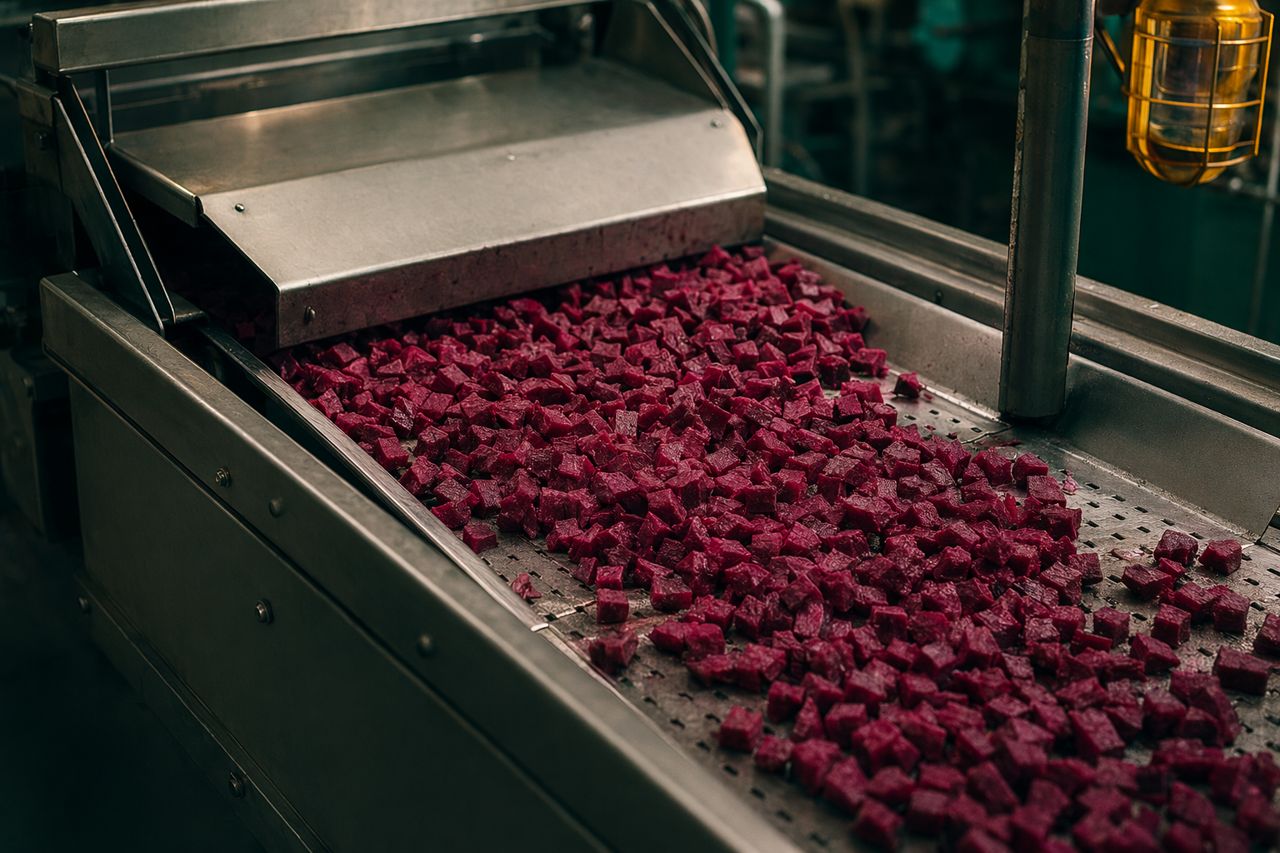
Cossettes are the factory’s first engineered interface between beet tissue and extraction water. The goal is not simply to cut beets into strips. The goal is to create a geometry that allows sucrose to diffuse efficiently while keeping the beet cell structure controlled enough to avoid excess suspended solids, pectin release, and pulp breakdown.
Good cossettes typically support:
- More even diffusion contact
- Lower fines carryover into juice
- Better pressability of exhausted pulp
- More predictable raw juice clarification
- Reduced viscosity stress through evaporation and filtration
- Lower risk of sugar loss in pulp and process streams
Poor cossettes create the opposite: a diffuser that looks hydraulically loaded, a juice stream that carries more colloidal material, and downstream stations that must compensate for instability that began at the knives.
Knife settings: small mechanical changes, large process effects
Knife sharpness, gap, angle, and presentation determine cossette length, thickness, surface area, and structural integrity. Even when beet supply looks consistent, worn or poorly aligned knives can shift the factory into a different extraction regime.
Typical warning signs at the slicer
Process managers often see the first signs as:
- Short cossettes and excessive fragments
- Feathering or ragged cut surfaces
- Uneven thickness across knife banks
- Elevated fines in the diffuser feed
- Rapid changes in diffuser pressure behavior
- More suspended solids in raw juice
A cossette that is too thick may slow sucrose movement. A cossette that is too thin or damaged may collapse, release non-sugars, and raise the load on clarification. The practical target is controlled exposure, not maximum destruction.
Diffusion behavior: where geometry meets biology
Diffusion is governed by contact, temperature profile, residence time, hydraulic flow, beet quality, and tissue permeability. Cossette quality influences all of these.
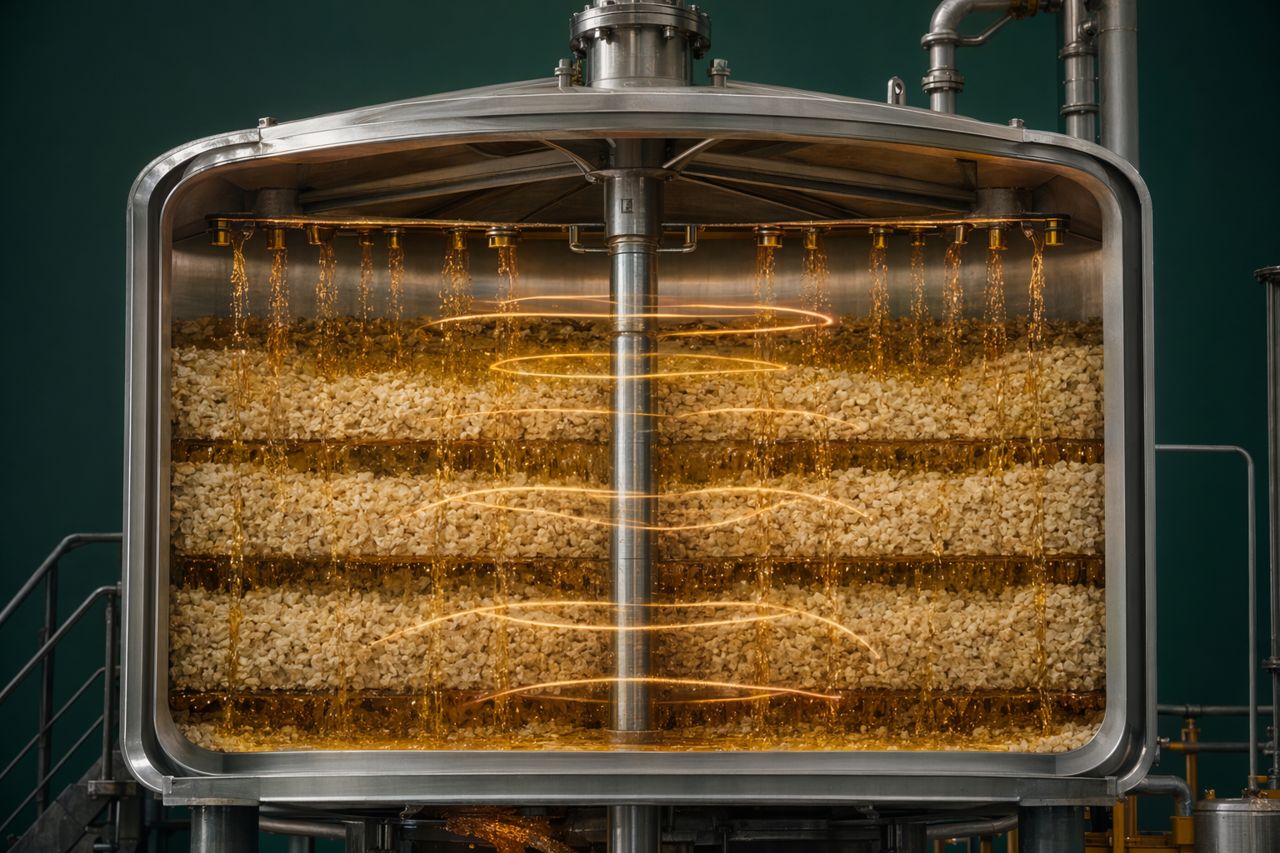
When cossettes are consistent, the diffuser bed behaves more evenly. Liquid distribution is steadier, extraction water contacts more surface area, and operators can hold a more controlled balance between sucrose recovery and pulp integrity.
When cossettes are inconsistent, the bed may channel, compact, or produce localized zones of over-extraction and under-extraction. These conditions can increase sugar loss in pulp while also sending more soluble and insoluble impurities into raw juice.
Process losses linked to poor cossette control
Cossette-related losses rarely appear as one dramatic failure. They usually accumulate across the factory.
1. Sucrose left in exhausted pulp
If diffusion contact is uneven, sucrose can remain in cossette cores or pass through compacted bed regions without adequate extraction. Operators may respond with longer residence time, temperature adjustments, or water balance changes, but these corrections can create new downstream loads.
2. Higher non-sugar extraction
Damaged tissue releases more pectinaceous material and colloids. This can increase raw juice viscosity, complicate clarification, and reduce filtration predictability.
3. Fines migration
Fines behave differently from intact cossettes. They extract rapidly, carry suspended material, and can move through screens and piping into stations designed for clearer flow. The result can be higher mud volume, slower filtration, and more frequent operating adjustments.
4. Pulp press instability
Cossette damage affects exhausted pulp structure. A weak pulp mat can hold water differently, press inconsistently, and increase mechanical variability at the press station.
5. Evaporation and syrup handling stress
Viscosity issues originating in raw juice may continue through evaporation and syrup handling. Even modest increases in colloidal load can change heat transfer behavior, flow response, and filtration performance.
Pectin and dextran: two different challenges with similar consequences
Sugar beet processing often faces viscosity and filtration behavior tied to pectin release from beet tissue. In certain campaign conditions, dextran-related issues may also appear, particularly when beet storage, microbial activity, or deteriorated roots contribute to polysaccharide load.
Pectin and dextran are not the same process problem, but both can affect:
- Juice flow behavior
- Clarification settling
- Filtration resistance
- Heat transfer consistency
- Syrup handling
- Crystal-end stability
An enzyme program should be selected around the actual bottleneck: pectin-driven viscosity, dextran-associated filtration stress, or a mixed impurity profile. Enzymeschoice works with factory teams to align enzyme selection and dosing logic with observed process behavior rather than generic assumptions.
Where enzymes fit in cossette-related stability
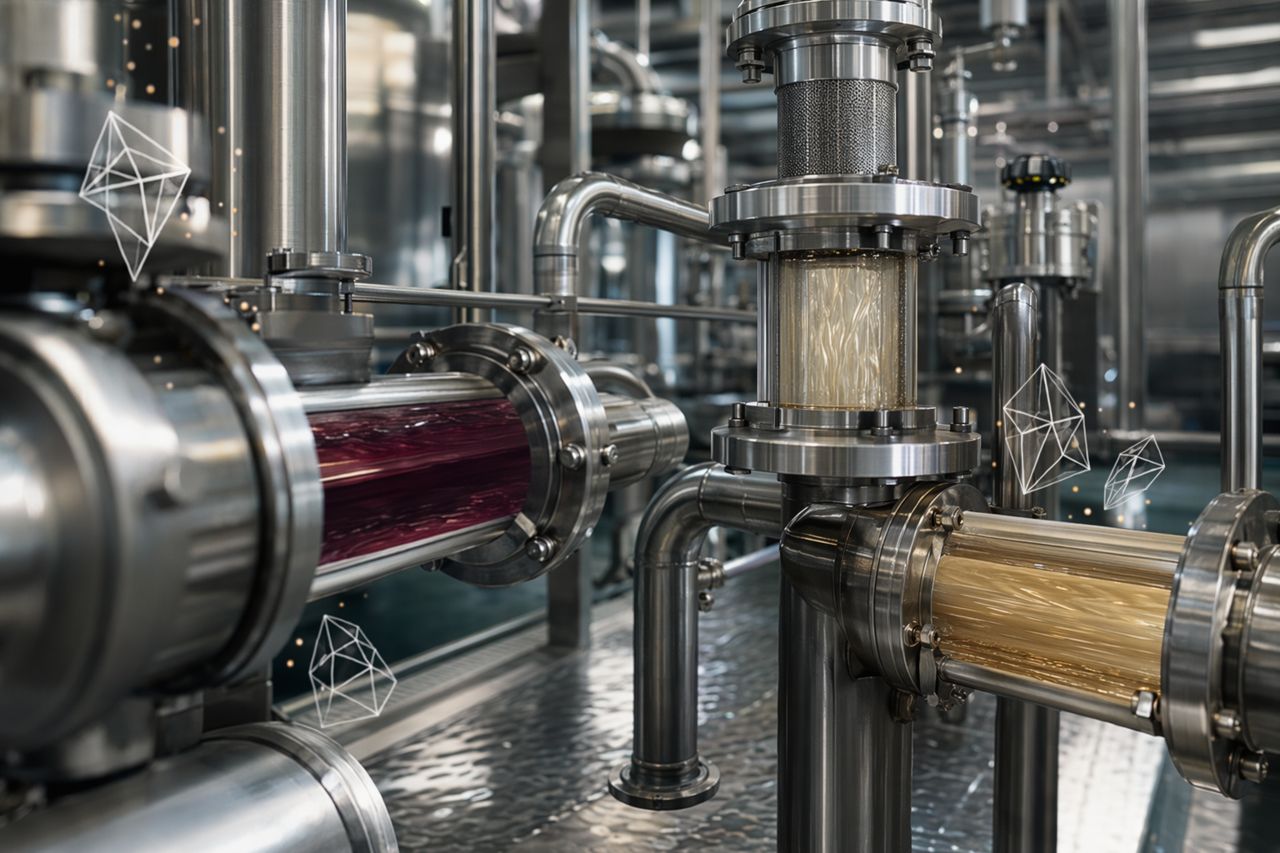
Enzymes do not replace knife maintenance, beet yard discipline, diffuser control, or clarification chemistry. They are a process tool for managing biological polymers that can disrupt flow, settling, and filtration.
For sugar beet factories, enzyme support may be considered when teams are seeing:
- Raw juice viscosity increase during difficult beet periods
- Clarification variability tied to colloidal load
- Filtration slowdown without a clear mechanical cause
- Syrup handling resistance during high-impurity campaigns
- Process sensitivity after beet storage or frost-stress events
- Dextran-like behavior affecting downstream operations
The value is not in adding complexity. The value is in creating a controlled dosing point, a clear operating target, and a measurable response in process stability.
Practical dosing strategy for process managers
A useful enzyme program should be easy to run under campaign pressure. Enzymeschoice typically focuses on three operating questions:
What is the bottleneck?
Is the plant losing capacity at diffusion, clarification, filtration, evaporation, or crystallization? The dosing strategy should serve the bottleneck, not a lab-only target.
Where is the best application point?
Application point depends on temperature, residence time, mixing, juice composition, and the polymer challenge. A well-chosen point improves contact and avoids wasteful addition.
What does success look like on the floor?
Factories should track practical indicators such as flow consistency, filtration cycle behavior, pressure trend stability, settling performance, syrup handling, and reduction in unplanned corrective action.
A field checklist for cossette and diffusion review
Use this checklist when sucrose recovery or downstream stability begins to drift.
Slicer and cossette checks
- Inspect knife sharpness and wear pattern across all banks
- Compare cossette length and thickness visually and by routine factory method
- Watch for ragged edges, excessive tails, and fine fragments
- Confirm beet feed presentation is even and not surging
- Review knife change timing against observed process drift
Diffuser checks
- Track bed behavior and signs of compaction or channeling
- Review temperature profile and residence time consistency
- Compare extraction performance with pulp press behavior
- Watch for changes in raw juice suspended solids
- Correlate diffuser adjustments with clarification response
Juice and downstream checks
- Observe raw juice viscosity behavior during beet quality changes
- Monitor clarification settling and mud characteristics
- Track filtration pressure trends and cycle stability
- Watch evaporation flow and heat transfer consistency
- Note syrup handling changes before they become crystallization issues
Connecting mechanical discipline and biological control
The strongest factories treat cossette quality as both a mechanical and biochemical issue. Knife settings define the starting structure. Diffusion control governs extraction. Enzyme strategy helps manage the pectin and dextran burden that can emerge when beet quality, storage conditions, or tissue damage increase the load on the process.
This is where an enzyme supplier for sugar beet processing should bring more than a product list. The supplier should understand factory constraints: short campaign windows, changing beet quality, limited downtime, operator workload, and the need for dosing that can be explained clearly from the control room to the process floor.
When to request technical support
Consider a Enzymeschoice review if your factory is seeing a repeated pattern of:
- Good beet throughput but unstable raw juice clarification
- Rising filtration resistance after slicer or beet quality changes
- Diffusion performance that requires frequent correction
- Viscosity shifts during stored beet processing
- Pulp press changes that coincide with fines increase
- Syrup handling issues that appear before crystal-end instability
A short technical discussion can help identify whether the root cause is primarily mechanical, microbial, polymer-related, or a combination.
Request a quote
If your sugar beet factory is evaluating enzyme support for diffusion stability, viscosity control, pectin management, dextran-related process behavior, or filtration improvement, Enzymeschoice can help define a practical supply and dosing approach.
Request a quote through the on-site form and include your campaign stage, main bottleneck, application point under consideration, the process indicators you want to stabilize, the expected quantity, and the delivery destination.