Enzyme supplier for sugar beet processing
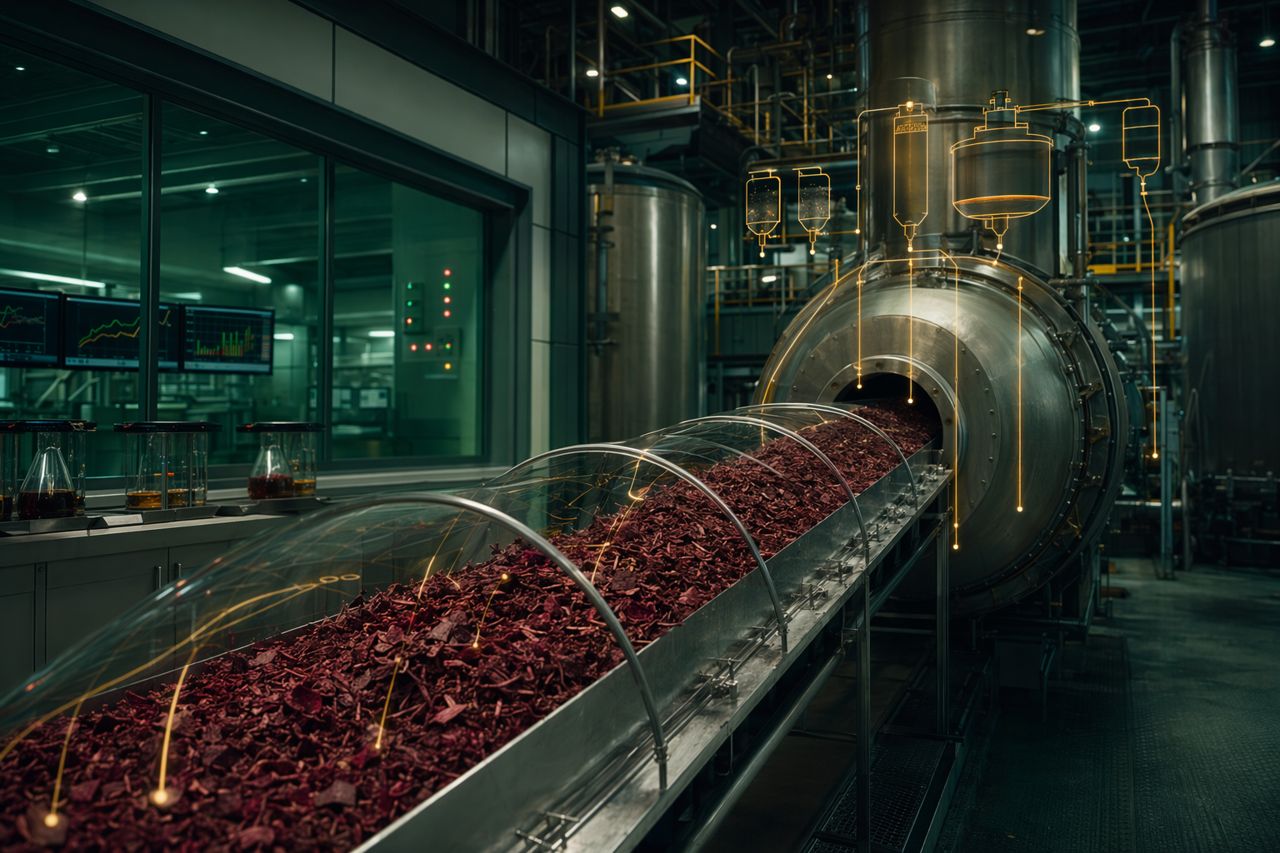
Enzymeschoice supports sugar beet factories with enzyme solutions matched to the real pressure points of campaign operation: diffusion behavior, raw juice viscosity, clarification load, filtration stability, evaporator handling, and crystal house consistency.
We do not treat enzymes as generic additives. In beet processing, the right product only has value when it fits the beet condition, temperature window, retention point, process risk, and operational objective. Our role is to help process managers and procurement teams specify practical enzyme options for controlled factory use.
We supply sugar factories directly, and process-aid distributors and resellers who serve beet factories in their own markets. Price, pack format and lead time are quoted per order.
Request a quote using the on-site form: name the product or problem, the quantity per campaign and the delivery destination.
Where enzymes fit in a beet factory
Sugar beet processing has several biological and rheological bottlenecks. Damaged, stored, or frost-affected beet can bring higher levels of soluble plant material and microbial byproducts into the factory. These materials can raise viscosity, slow separation, increase mud volume, disturb filtration, or reduce predictability through evaporation and crystallization.
Enzymes may be considered when the process team needs a targeted way to manage specific polymer-related issues without redesigning the plant.
Typical use areas
- Diffusion support: helping improve juice release behavior where cossette structure, beet quality, or campaign variability affects extraction stability.
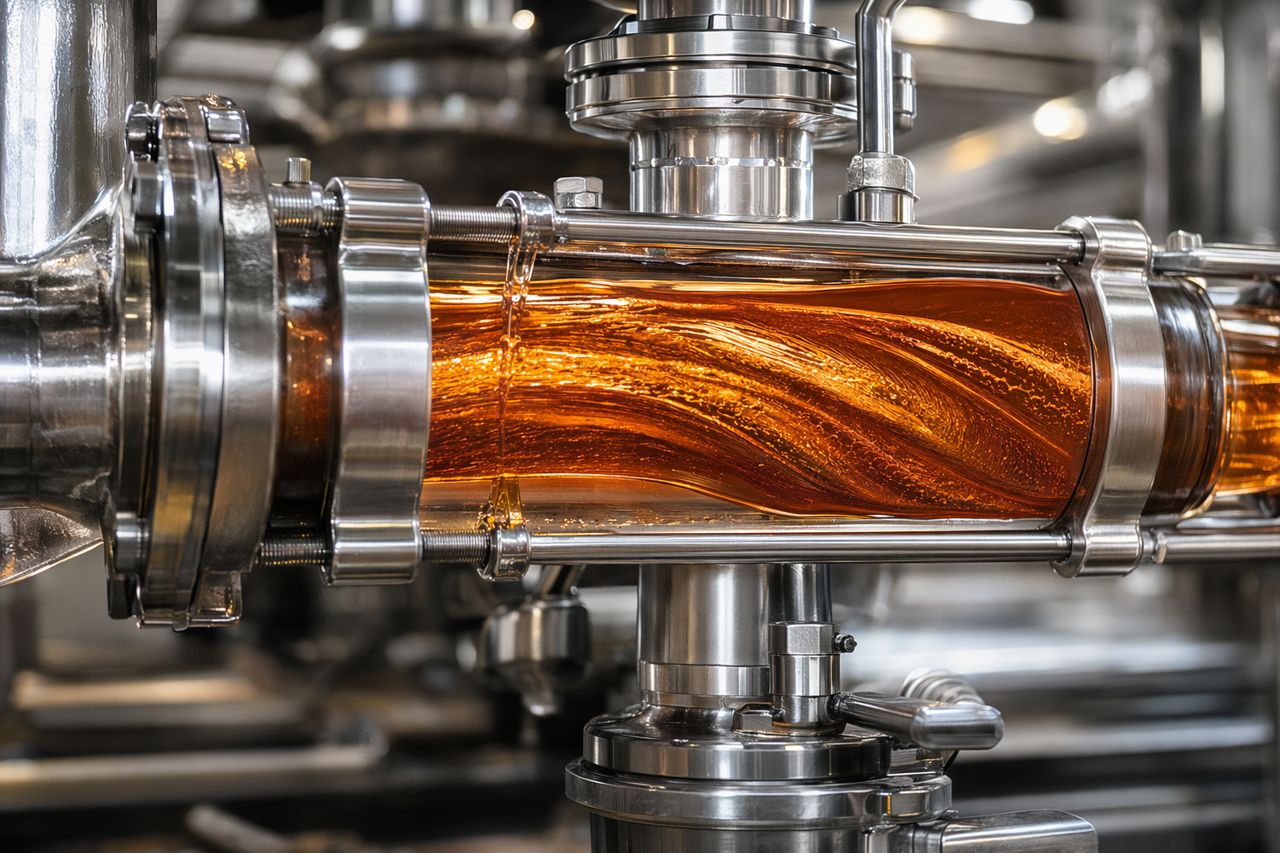
- Viscosity control: reducing handling issues in raw or thin juice streams where soluble polymers create flow resistance.
- Clarification support: improving the behavior of polymer-heavy juice before, during, or around standard clarification steps.
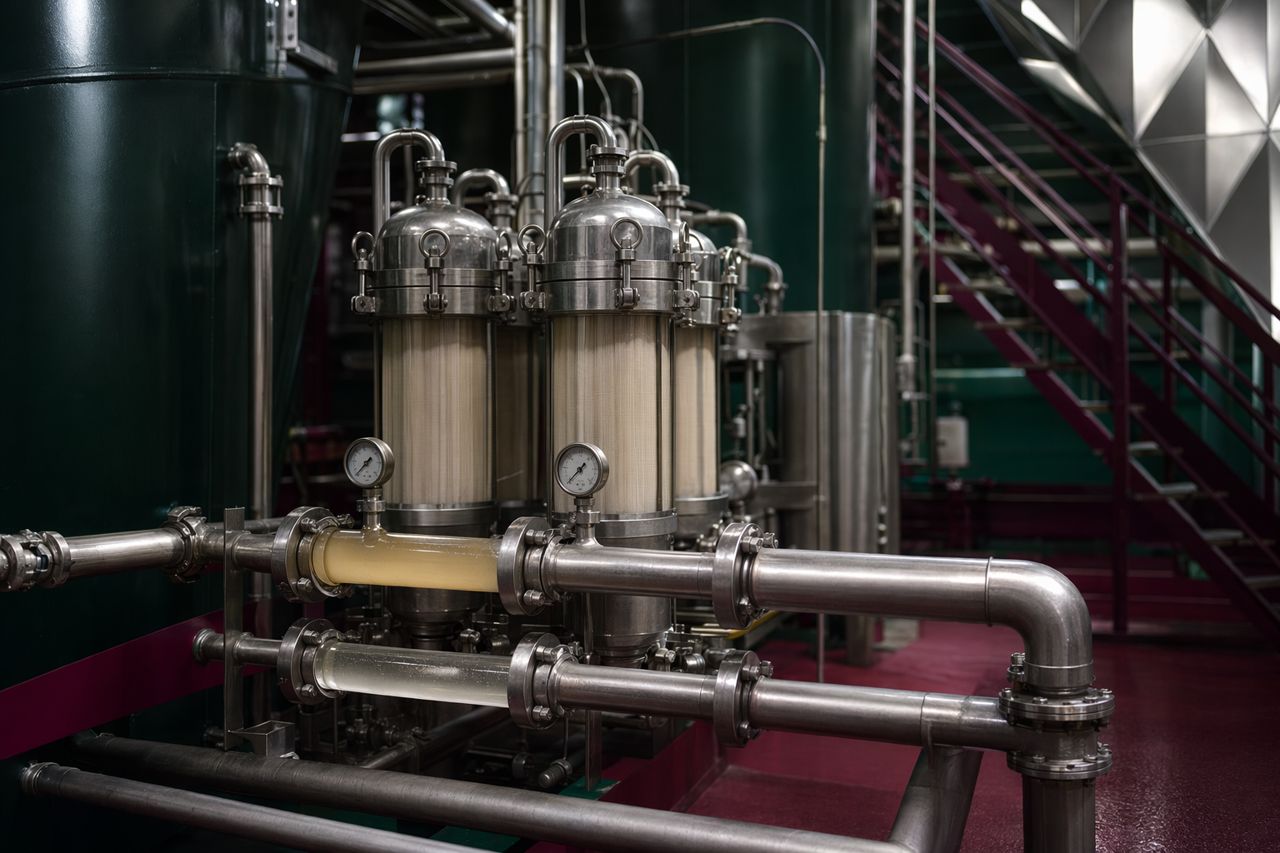
- Filtration behavior: supporting more predictable cake structure, filtrate clarity, or throughput where pectin or dextran contributes to difficult separation.
- Evaporation and crystallization stability: helping reduce polymer-driven carryover effects that can complicate downstream concentration and crystal formation.
Enzyme categories for beet processing
Dextranase for dextran-related process drag
Dextran can appear when beet quality has been affected by microbial activity, storage stress, or deteriorated raw material. Even relatively small changes in polymer load can show up as higher viscosity, slower filtration, poorer clarification response, and crystal house disturbance.
Dextranase is used to break down dextran structures that interfere with process flow. In beet factories, it is most relevant when lab indicators, field beet condition, or operating symptoms point toward dextran as a contributor to instability.
Enzymeschoice helps buyers compare dextranase options by:
- practical addition point compatibility,
- expected contact time within the process,
- tolerance to factory temperature and pH conditions,
- liquid handling and storage requirements,
- documentation suitable for industrial food-processing procurement,
- campaign-ready supply planning.
Pectinase for pectin-driven viscosity and clarification load
Pectin is a central beet-processing concern because it can influence diffusion, juice viscosity, lime demand perception, mud behavior, and filtration performance. Pectinase products are selected to help reduce the process impact of pectic substances released from beet tissue.
A pectinase program may be considered when the factory sees:
- increased raw juice viscosity,
- slower clarification response,
- unstable filtration rates,
- excessive polymer-related turbidity,
- changes linked to beet maturity, storage, frost, or mechanical damage.
The goal is not to override the factory’s clarification system. The goal is to make the incoming juice stream more manageable so standard process steps behave more consistently.
Cellulase for cossette structure and plant-fiber effects
Cellulase may be used where beet cell-wall material contributes to extraction limitations, suspended solids behavior, or difficult juice handling. It is typically evaluated with attention to cossette integrity, residence time, and the risk of creating unwanted solids or fine material.
For process managers, the question is not simply whether cellulase can break plant fiber. The question is whether a controlled cellulase approach improves the operating window without making downstream separation harder.
Procurement built around campaign reality
A sugar beet campaign does not wait for vague product selection. Enzymeschoice works with procurement, process engineering, and quality teams to define the enzyme requirement before quoting.
What we clarify before recommendation
- Beet condition: fresh, stored, frost-affected, damaged, or microbially stressed.
- Main bottleneck: diffusion, viscosity, clarification, filtration, evaporation, or crystallization.
- Intended addition location and available residence time.
- Temperature and pH exposure across the treatment zone.
- Existing chemical program and process constraints.
- Preferred product format, packaging, documentation, and delivery schedule.
- Trial objective and measurable factory indicators.
This keeps the quote tied to a real process problem, not a generic enzyme name.
Predictable dosing, not guesswork
Enzyme value depends on controlled introduction. Enzymeschoice supports dosing discussions around factory-friendly parameters such as feed point, dilution practice, pump compatibility, mixing quality, contact time, and whether treatment should be continuous, staged, or corrective during difficult beet periods.
We help teams set up trials around practical indicators already understood on the refinery floor:
- raw juice viscosity trend,
- diffuser stability,
- clarifier loading,
- mud and filtration behavior,
- pressure rise across filters,
- evaporator handling,
- syrup purity observations,
- crystallization consistency,
- downtime linked to polymer fouling or poor separation.
No responsible supplier should promise a universal result from an enzyme alone. The correct target is measurable operating stability under known beet and process conditions.
Supplier selection criteria for beet refineries
If you are sourcing an enzyme supplier for sugar beet processing, the questions should be practical:
- Does the supplier understand beet-specific variability, not just general sugar processing?
- Can the enzyme option be matched to diffusion, clarification, viscosity, filtration, pectin, or dextran objectives?
- Is the recommended dosing approach realistic for your plant layout and campaign staffing?
- Are packaging, lead time, documentation, and inventory planning suitable for bulk industrial use?
- Can technical support help define a controlled plant evaluation without overstating results?
What you can request
Procurement teams, process teams and distributors can request:
- Quote options for beet sugar operations, per order or per campaign
- Product fit discussion by process area and target challenge
- Packaging and delivery planning for campaign needs
- Documentation for internal review and purchasing approval
- Trial-planning support for controlled factory evaluation
- Guidance on dosing location, contact time expectations, and handling considerations
A direct path to supply
- Tell us the process area and challenge, or the product your customers ask for
- Share the operating context your team is comfortable providing
- Receive a fit recommendation and a quote
- Review packaging, lead time, and documentation
- Plan the evaluation or campaign supply
Why beet factories choose Enzymeschoice
Enzymeschoice is built for industrial beet processing buyers who need specific, documented enzyme supply rather than broad catalog language.
What you can expect
- Vertical-specific product matching for beet factories.
- Support for dextranase, pectinase, and cellulase selection.
- Clear discussion of where enzymes may or may not fit.
- Process-aware quoting for campaign planning.
- Documentation support for procurement and quality teams.
- Practical trial framing before scale-up.
- Calm technical communication for refinery teams under campaign pressure.
Request a quote
If your beet campaign is facing viscosity, diffusion, clarification, filtration, pectin, or dextran challenges, Enzymeschoice can help define a suitable enzyme supply option.
Use the on-site request a quote form and include your beet condition, process bottleneck, intended application point, expected quantity, delivery destination, and required delivery timing. Distributors: tell us the market you serve and whether you need resale packs. We will respond with a practical supply recommendation aligned to your factory conditions.