Field-proven enzyme support for sugar beet factories
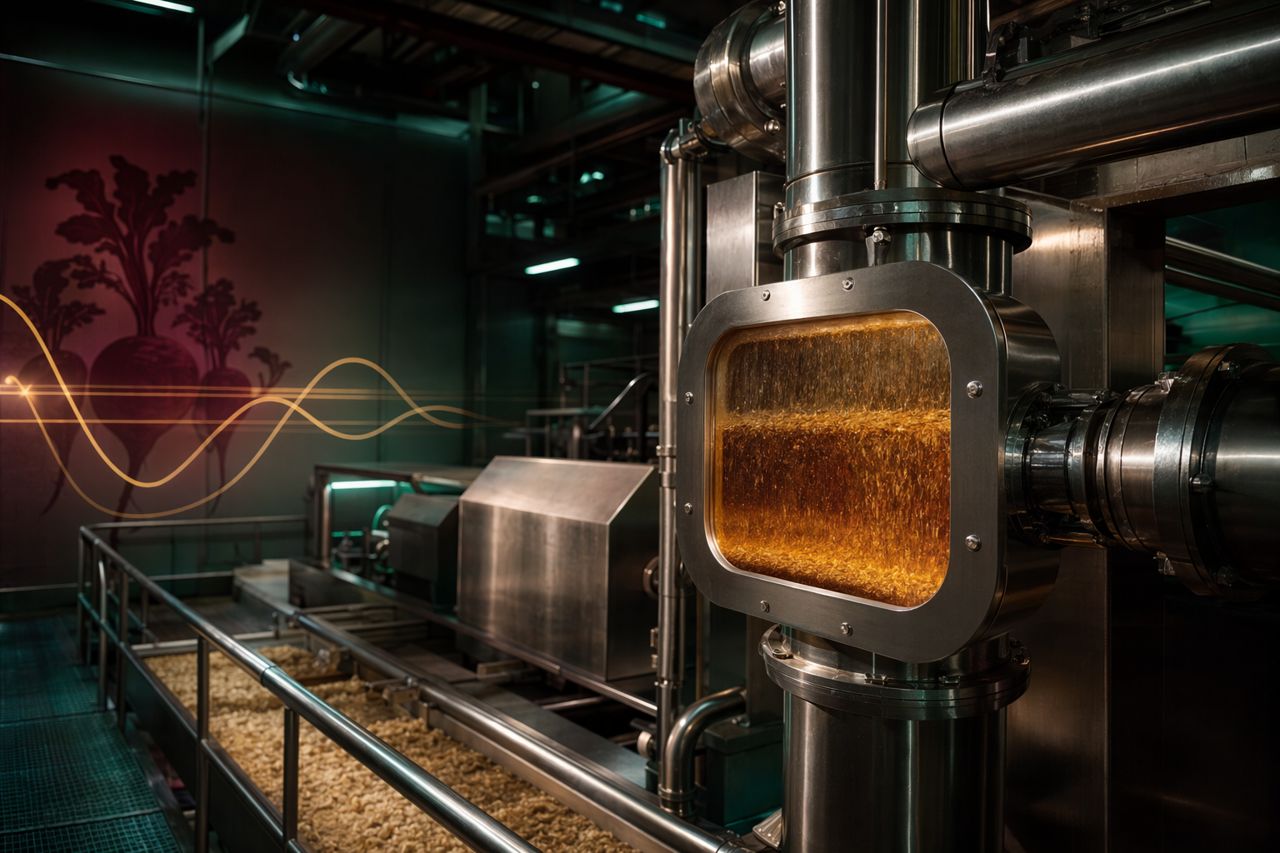
Enzymeschoice supplies enzyme programs to sugar beet factories, and to the process-aid distributors and resellers that serve them, for the operating problems that show up between slicing, diffusion, juice purification, evaporation, filtration, and pulp pressing.
When beet quality shifts, process stability can move quickly. Pectin load, dextran influence, damaged beet tissue, frost-affected roots, variable cossette structure, and microbial stress can all change juice viscosity, clarification behavior, pulp dewatering, and sucrose recovery. Our work is built for process managers who need steady flow, predictable dosing, and clear troubleshooting guidance on the factory floor.
Request a quote for enzyme recommendations matched to your beet campaign conditions. Supply is for factories, distributors and resellers buying by the campaign; price, pack format and lead time are quoted per order.
Where enzymes create operating value
Diffusion performance and sucrose access
Poor cossette behavior can restrict extraction, increase diffusion losses, and create uneven juice quality. Enzymeschoice solutions are selected to support cleaner cellular release, more consistent diffusion behavior, and improved control when beet tissue arrives with variable maturity, mechanical damage, or storage stress.
Potential benefits include:
- More stable diffusion operation during variable beet quality
- Reduced impact of pectin-related viscosity in raw juice streams
- Improved consistency in downstream clarification and filtration
- Better process confidence when beet condition changes by delivery lot
Viscosity control in beet juice streams
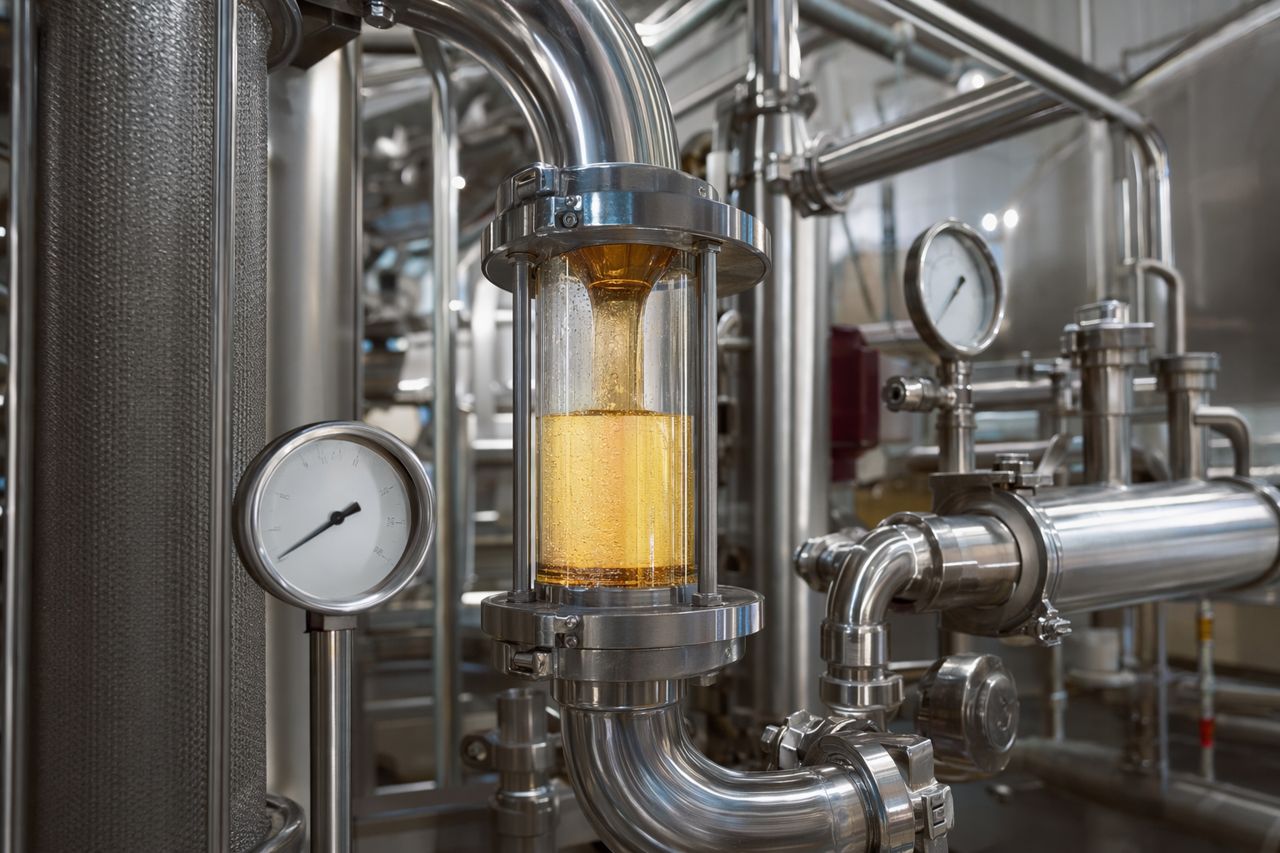
High-viscosity juice reduces margin across pumps, heat exchangers, clarification steps, filters, and evaporators. Pectin and dextran challenges may appear as slow settling, blind filtration surfaces, increased pressure behavior, or reduced throughput.
Enzymeschoice helps factories evaluate where enzyme intervention can reduce process drag without disrupting established control points.
We focus on:
- Pectin breakdown support for easier juice handling
- Dextran-related troubleshooting where microbial impact is suspected
- Improved flow behavior through purification and filtration stages
- Better operating stability during difficult beet slices
Clarification and filtration behavior
Clarification is not only a chemistry step. It is strongly influenced by juice composition, suspended solids, colloidal load, viscosity, and upstream beet condition. Enzyme treatment can support more predictable settling, cleaner separation, and less variable filtration resistance when non-sucrose materials begin to dominate process behavior.
For factories managing inconsistent mud volume, slow clarification, or filter load swings, Enzymeschoice provides practical guidance on enzyme selection, addition point, contact time, and campaign monitoring.
Pulp pressing and dewatering support
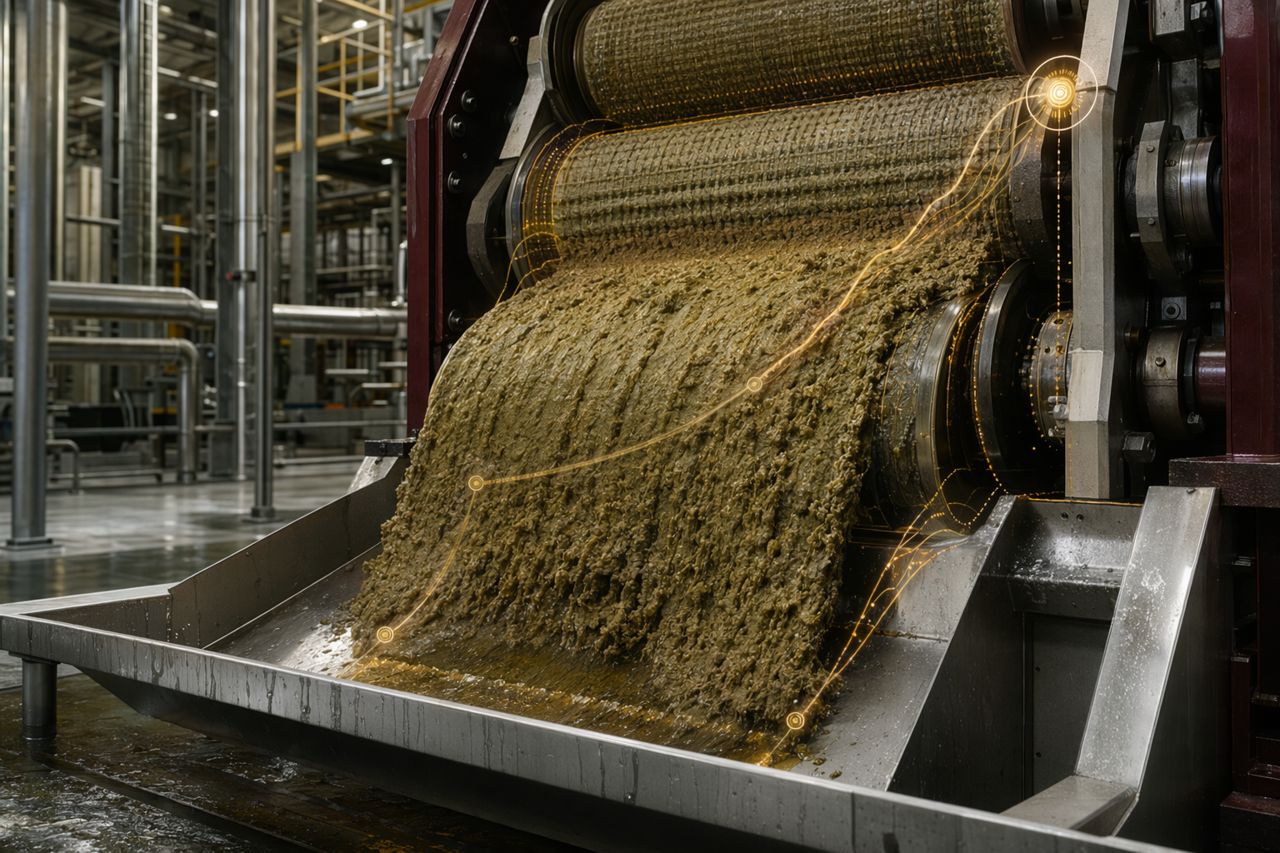
Pressed pulp value depends on water removal, press stability, and predictable mechanical behavior. Beet tissue condition, pectin structure, and process temperature can influence press cake performance and energy demand.
Enzymeschoice enzyme strategies can be reviewed for pulp pressing improvement where the goal is more consistent dewatering, lower recirculating water burden, and steadier press operation during variable beet supply.
Built for campaign reality
Sugar beet factories do not operate under laboratory conditions. Beet lots change. Weather changes. Storage piles change. Microbiology changes. Operators need enzyme programs that are clear to dose, easy to validate, and practical within existing factory routines.
Our technical approach emphasizes:
- Application fit before product selection
- Defined process targets by plant section
- Dosing guidance based on operating conditions, not inflated claims
- Compatibility review with temperature, pH, retention time, and process chemistry
- Field feedback loops during the beet campaign
- Measurable indicators such as throughput stability, juice flow behavior, filtration pressure trends, pulp press performance, and sucrose recovery protection
Common factory challenges we support
Frost-affected or stored beet
Frozen, thawed, or long-stored beet can increase soluble impurities and disrupt normal diffusion and clarification behavior. Enzymes may help reduce the downstream impact of pectin-rich or degraded beet tissue.
High pectin load
Elevated pectin can raise viscosity and interfere with juice handling, settling, and filtration. A targeted pectin-management enzyme program can help restore more predictable flow.
Dextran concerns
Microbial activity can create dextran-related processing problems, especially when beet deterioration is present. Enzymeschoice supports evaluation of enzyme options where dextran influence is affecting filtration, evaporation, or crystallization stability.
Slow filtration or pressure rise
When juice or syrup filtration begins to tighten, the root cause may involve colloids, viscosity, microbial polymers, or upstream clarification instability. We help factories connect the symptom to the most likely enzyme intervention point.
Inconsistent pulp pressing
If pulp press dryness or press load varies beyond normal mechanical limits, enzyme support may help improve dewatering behavior and reduce process swings.
How we work with process teams
1. Process review
We start with the section of the factory where instability is most visible: diffusion, raw juice, purification, filtration, evaporation, crystallization support, or pulp pressing.
2. Challenge mapping
We identify the likely contributors: pectin, dextran, damaged beet tissue, microbial stress, high viscosity, filtration resistance, or press dewatering limits.
3. Enzyme recommendation
We propose an enzyme category and application strategy aligned with your operating window, addition point, process temperature, retention time, and desired plant response.
4. Campaign monitoring
We help define practical indicators to watch during use, such as juice viscosity trend, filtration differential pressure, clarifier behavior, pulp press consistency, evaporator load, and overall throughput stability.
Why Enzymeschoice
Enzymeschoice is built for sugar beet processing, not general-purpose enzyme browsing. Our guidance is specific to beet factories, campaign variation, and refinery-floor decision making.
You get:
- Focused enzyme support for sugar beet operations
- Practical recommendations for diffusion, clarification, viscosity, filtration, and pulp pressing
- Clear technical language for plant managers, process engineers, and procurement teams
- Responsive quote support for campaign planning and urgent troubleshooting
- A controlled, documentation-ready approach for B2B purchasing
Request a quote
Tell us what you are seeing in the factory: beet condition, affected process section, flow or filtration symptoms, pulp pressing behavior, and current operating constraints. Enzymeschoice will respond with a practical enzyme recommendation and quotation pathway.
A useful inquiry, whether you run a factory or supply one, includes:
- Product or problem: the enzyme type you have in mind (dextranase, pectinase, cellulase or a blend), or the symptom you need to control
- Process section: diffusion, raw juice, clarification, filtration, evaporation or pulp pressing
- Quantity: expected volume per campaign or per purchase interval
- Destination: delivery country and site, and whether the order is for your own plant or for resale
- Pack and timing: preferred pack format and when the material must be on site
Price, pack format and lead time are quoted per order. Use the on-site request form to start a quote request.