Enzyme for Beet Pulp Pressing and Dewatering
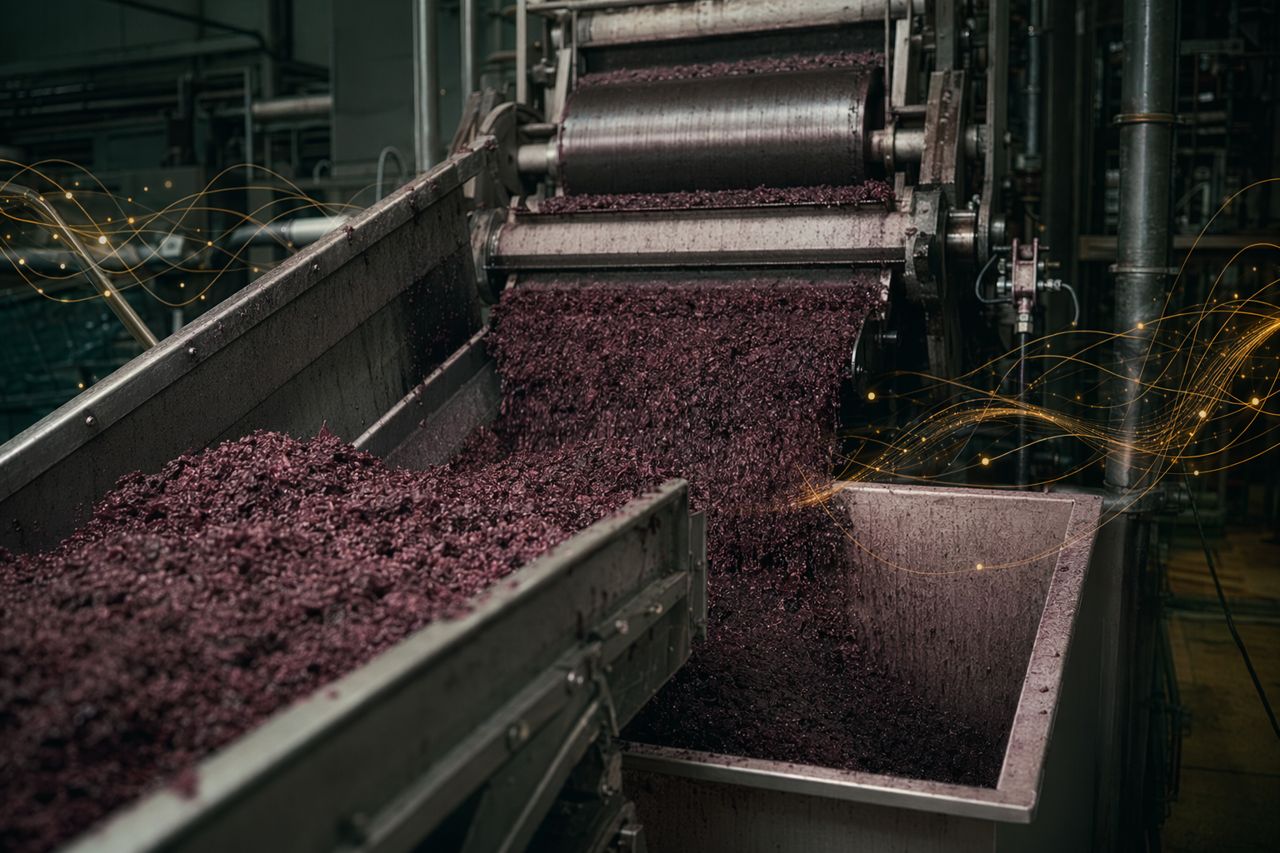
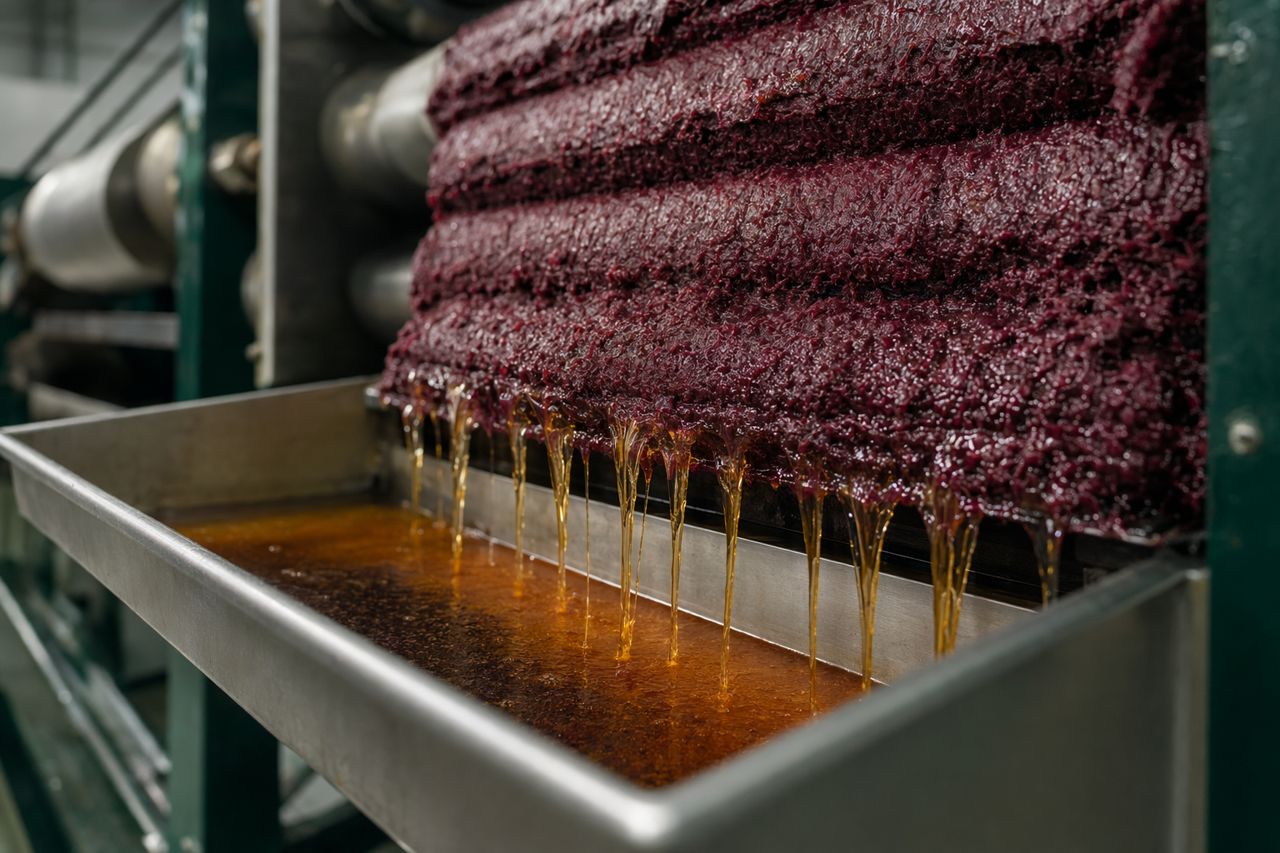
Beet pulp pressing is where diffusion performance, cossette quality, pectin behavior, and mechanical load meet in one demanding step. When pulp leaves the diffuser with a tight, water-holding structure, presses can show higher torque, unstable cake release, wetter pulp discharge, and reduced capacity margin.
Enzymeschoice supplies enzyme solutions for sugar beet factories evaluating pulp dewatering improvement through controlled pectinase and cellulase application. We also supply the process-aid distributors who serve beet factories. The focus is practical factory trials: where to dose, how to monitor response, and how to separate enzyme effect from normal beet-campaign variability.
Request a quote: send the pulp pressing problem, the quantity per campaign or trial, and the delivery destination. Price, pack format and lead time are quoted per order.
Why beet pulp can resist dewatering
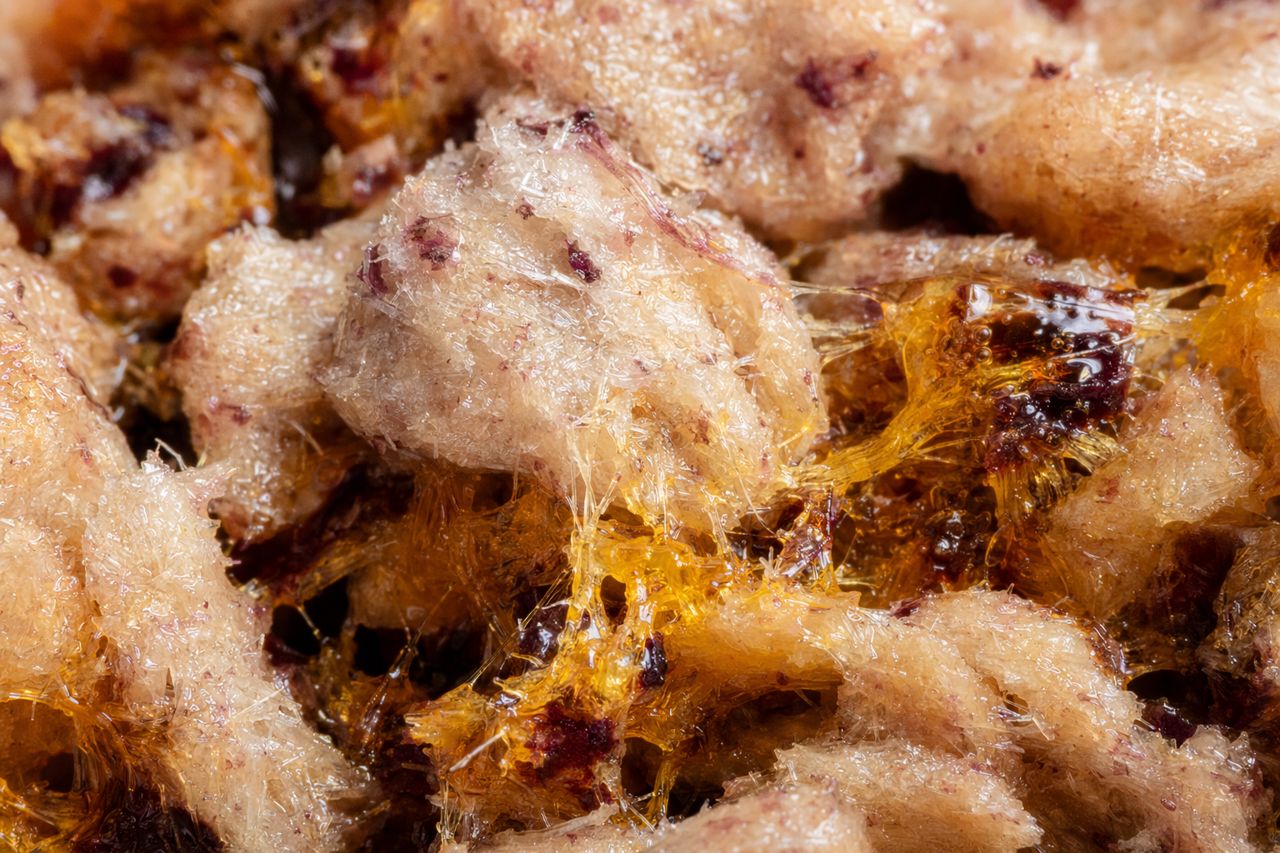
Pressed beet pulp is not only fiber. It contains hydrated cell wall material, pectin-rich middle lamella fragments, soluble polysaccharides, entrained juice, and fine particles that can hold water inside the pulp matrix.
Common operating signs include:
- Presses reaching load limits before target dry matter is achieved
- Wet pulp variability between beet varieties, storage periods, or frost-damaged beet
- Sticky or slippery pulp that affects plug formation and cake release
- Higher recirculated liquid load from pressing
- Increased sensitivity to diffuser extraction conditions
- Reduced available press capacity during high-throughput campaign periods
In these cases, enzyme treatment may support dewatering trials by modifying pectin-rich structures and loosening portions of the fiber matrix before pressing.
How pectinase and cellulase support pulp pressing trials
Enzymeschoice enzyme programs are built around controlled action on beet cell wall components. The objective is not aggressive breakdown of the pulp. The objective is targeted structural adjustment that may improve water release while preserving process control.
Pectinase contribution
Pectinase activity can help reduce the water-binding behavior of pectin-rich material in beet pulp. In suitable process windows, this may support:
- Easier liquid release during mechanical compression
- More consistent press loading
- Lower apparent stickiness in difficult pulp conditions
- Improved behavior of fine, hydrated material that travels with the pulp stream
Cellulase contribution
Cellulase can contribute to partial fiber loosening where beet cell wall material remains compact and resistant to compression. Used carefully, it may support:
- Better opening of pulp structure before the press
- Improved drainage pathways within the pulp bed
- More stable cake formation under press load
- Reduced variability when pulp structure changes across the campaign
Combined enzyme logic
Many beet pulp dewatering challenges are mixed problems. Pectin binds water; fiber structure traps it. Enzymeschoice formulates around that combined reality, using pectinase and cellulase components in a controlled balance for site-specific trials.
Where enzyme treatment fits in the beet factory
Typical evaluation points include pulp leaving diffusion, pulp before pressing, or controlled contact zones upstream of the press. The right location depends on factory layout, temperature profile, retention time, pumping arrangement, and how consistently the pulp stream can be contacted.
Enzymeschoice helps process teams evaluate:
- Practical dosing location without disrupting production flow
- Contact time available before mechanical pressing
- Pulp temperature and pH compatibility
- Mixing quality in thick pulp streams
- Press load, pulp dry matter, and filtrate behavior before and after treatment
- Interaction with diffuser operation, liming load, and juice clarification balance
The goal is a dosing plan that operators can run predictably during campaign conditions, not a laboratory answer that fails on the refinery floor.
What to measure during a pulp pressing trial
A useful enzyme trial should be measured against plant operating data, not isolated claims. Enzymeschoice recommends building a baseline and comparing treated operation against matched conditions where possible.
Key indicators can include:
- Press throughput at comparable feed condition
- Press motor load or hydraulic pressure trend
- Pulp discharge consistency
- Final pressed pulp dry matter
- Press water or filtrate flow behavior
- Cake release and slippage observations
- Downstream impact on evaporator or juice handling conditions, where relevant
- Operator notes on stability during beet-quality changes
Because beet quality shifts throughout campaign, trial structure matters. Enzymeschoice supports stepwise evaluations so process managers can see whether enzyme treatment is creating a repeatable operating response.
Designed for controlled factory use
Enzymeschoice enzyme solutions are selected for industrial beet processing conditions. We prioritize reliable handling, predictable dosing, and compatibility with normal sugar factory routines.
Our technical support covers:
- Product selection for pectin-rich pulp, fiber-bound water, or mixed dewatering issues
- Recommended trial sequence and observation plan
- Dosing pump and injection-point guidance
- Operator-friendly monitoring sheets
- Adjustment logic when beet quality changes
- Review of production data after the trial period
We do not position enzymes as a substitute for press maintenance, diffuser control, or proper cossette preparation. Enzymes are best evaluated as a process aid within a stable mechanical and operational envelope.
When to consider a Enzymeschoice pulp pressing trial
A pulp pressing enzyme trial may be worth evaluating when your factory is experiencing:
- Persistent wet pulp after pressing
- Press capacity limits during high beet throughput
- Unstable press load or fluctuating cake behavior
- Pulp that appears more hydrated, sticky, or fine-rich than usual
- Campaign periods where beet condition changes faster than press settings can compensate
- A need to reduce dewatering variability before making major equipment changes
Built for sugar beet process managers
Enzymeschoice works with beet factories that need calm, technical support and measurable operating evidence. We help define the trial boundary, provide a suitable enzyme recommendation, and support the review of press behavior in real production conditions.
If your pulp line is limiting throughput or producing variable dewatering results, our team can help assess whether a pectinase/cellulase approach belongs in your next campaign trial.
Request a quote
Share your beet campaign window, current pulp pressing concern, approximate process conditions, preferred trial timing, expected quantity, and delivery destination (and, for distributors, the market you serve). Enzymeschoice will respond with a recommended enzyme option and a practical quotation for your factory evaluation.